Learning from Builders' Merchants
The warehouse industry is evolving rapidly. Rising customer expectations, labour shortages, and increasing pressure to improve efficiency mean that businesses must continually refine their operations. Interestingly, many of the best practices already exist within the builders’ merchant sector, where handling thousands of product lines, managing bulky inventory, and delivering exceptional customer service are part of everyday operations.
Inventory Accuracy Is the Foundation of Success
Builders’ merchants rely on accurate stock information to keep projects moving. Customers expect products to be available when promised, and delays can have significant knock-on effects for construction schedules.
Warehouses can benefit from the same approach by investing in real-time inventory management systems, barcode scanning, and regular stock audits. Improved inventory visibility reduces stock discrepancies, minimises lost sales, and helps teams make informed purchasing decisions.
Efficient Warehouse Layout Improves Productivity
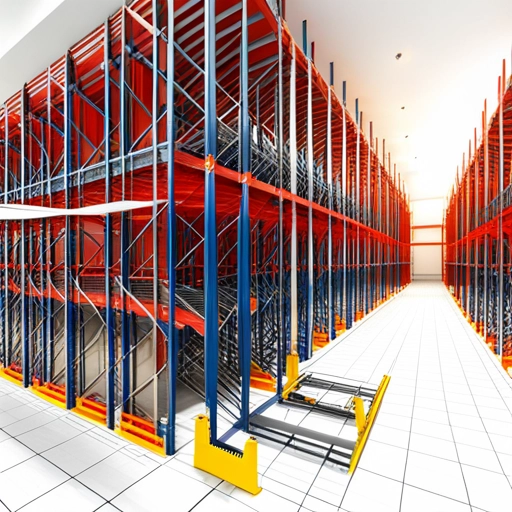
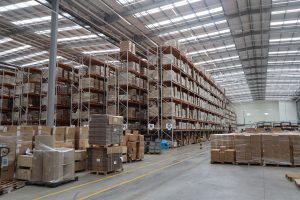
Builders’ merchants carefully organise their yards and warehouses to ensure that high-demand products are easily accessible while maintaining safe working environments.
Warehouse operators should regularly review product locations, optimise picking routes, and position fast-moving inventory closer to dispatch areas. Even small layout improvements can reduce travel time, increase picking speeds, and improve overall productivity.
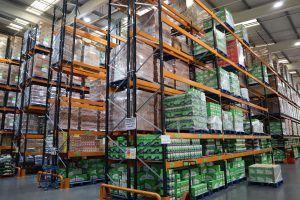
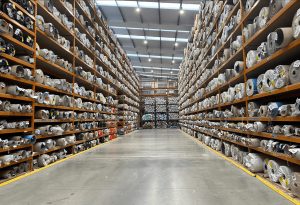
Unlike many traditional warehouses, builders’ merchants stock an incredibly diverse range of products. From heavy timber packs, sheet materials and palletised cement to long lengths of steel, plumbing supplies, insulation, landscaping products, and thousands of smaller fixings, every product category places different demands on storage systems. This means there is no one-size-fits-all solution.
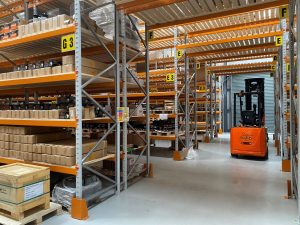
Choosing the right storage system requires an understanding of product weight, dimensions, handling methods, stock turnover, and future business growth. Experienced suppliers recognise these differences and work with merchants to specify the most suitable combination of pallet racking, cantilever racking, shelving, and yard storage solutions. The result is a warehouse that maximises storage capacity, improves accessibility, enhances safety, and supports more efficient day-to-day operations.
As product ranges expand and customer demand changes, having a knowledgeable supplier who understands the builders’ merchant sector also makes it much easier to adapt warehouse layouts, source compatible components, and carry out upgrades with minimal disruption. A strong supplier relationship ensures expert advice, ongoing support, and access to spare parts whenever they’re needed, helping businesses maintain productivity and avoid costly downtime.
Just as importantly, warehouse storage systems should be regularly inspected to ensure they remain safe and fit for purpose. Annual inspections carried out by SEMA Trusted, fully trained rack inspectors help identify damage, wear, overloading, or installation issues before they become serious safety risks. Routine inspections not only support compliance with health and safety regulations but also help protect employees, stock, and business continuity.
Technology Enables Smarter Operations
Digital transformation has become essential for both warehouses and builders’ merchants. Warehouse Management Systems (WMS), handheld scanners, automation, and data analytics provide valuable insights into inventory movement and operational performance.
By embracing technology, businesses can:
- Improve order accuracy
- Reduce manual processes
- Speed up fulfilment
- Gain real-time operational visibility
- Make better forecasting decisions
Customer Service Starts Behind the Scenes
While warehouse teams may not interact directly with customers, their work has a significant impact on customer satisfaction. Builders’ merchants understand that accurate picking, timely deliveries, and reliable stock levels are critical to maintaining customer trust.
Warehouses that prioritise operational excellence can reduce delivery delays, minimise returns, and create a more reliable experience for both business customers and end consumers.
Strong relationships with trusted suppliers also play an essential role. Working with reliable partners who can provide replacement components, repairs, and expert support at short notice helps minimise downtime when damage occurs. Having quick access to spare parts and experienced repair teams ensures warehouse operations can continue with minimal disruption while maintaining safe storage systems.
Commercial fit out companies that understand both industrial environments and office spaces can bring these elements together into one coordinated project.
Prioritising Health and Safety

Builders’ merchants routinely handle heavy, awkward, and valuable materials, making safety a core operational priority. Warehouses face many of the same challenges.
Regular staff training, clearly marked walkways, proper lifting equipment, well-maintained storage systems, and scheduled racking inspections all help reduce accidents while supporting greater operational efficiency. Encouraging employees to report damaged racking or unsafe conditions also creates a proactive safety culture that benefits everyone on site.
Sustainability Is Becoming a Competitive Advantage
Environmental responsibility is increasingly important across the supply chain. Many builders’ merchants are reducing waste through better stock control, recyclable packaging, and more efficient delivery planning.
Warehouses can adopt similar initiatives by:
- Reducing packaging waste
- Optimising delivery routes
- Improving energy efficiency
- Recycling damaged materials where possible
- Monitoring carbon emissions across operations
Maintaining warehouse racking through timely repairs rather than complete replacement, where appropriate, can also reduce waste and extend the lifespan of storage systems, supporting both sustainability goals and cost savings.
Continuous Improvement Drives Long-Term Success
The most successful builders’ merchants continually assess their operations to identify opportunities for improvement. Warehouses should adopt the same mindset by reviewing key performance indicators such as pick accuracy, order turnaround times, inventory accuracy, equipment condition, and customer satisfaction.
Regular process reviews, annual racking inspections, employee feedback, and performance monitoring create a culture of continuous improvement that helps businesses remain competitive in a changing market while maintaining high standards of safety.
Final Thoughts
Although builders’ merchants and warehouses serve different markets, they face many of the same operational challenges. By focusing on inventory accuracy, warehouse efficiency, technology, customer service, safety, regular SEMA-standard racking inspections, and strong supplier partnerships, warehouse operators can build more resilient, productive, and profitable operations.
As supply chains become increasingly complex, adopting proven practices from the builders’ merchant industry can provide warehouses with a valuable competitive advantage while delivering better outcomes for customers, employees, and the long-term performance of their storage systems.