Introduction
Warehouse capacity isn’t simply about how many square metres you have.
It’s about how effectively you use the space available — and whether your storage infrastructure can support your stock levels, operational requirements and future growth.
As businesses grow, storage demands change. What worked when your warehouse held 500 pallets may no longer be suitable when that figure becomes 1,000. The challenge is recognising when your existing setup is approaching its limits and understanding what can be done before capacity becomes a constraint on the wider operation.
6 signs it’s time to review your storage capacity
- 1. Pallet locations are consistently at capacity
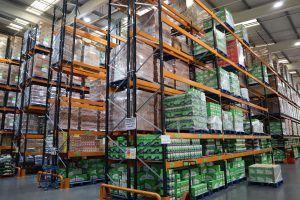
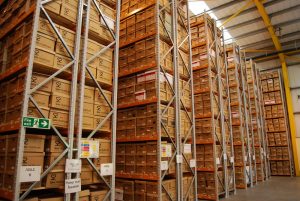
If your available pallet positions are regularly full, your warehouse may have reached the practical limits of its current racking configuration.
This is a good point to review your stock profile, racking layout and available building height to establish whether additional capacity can be created.
- 2. Stock is being accommodated outside designated storage areas
When additional stock starts being placed in temporary or non-standard locations, it can be an indication that your storage system hasn’t kept pace with demand.
Beyond the obvious space implications, this can affect accessibility, warehouse flow and safe working practices.
Improving Flow and Productivity
- 3. Aisles and operational areas are becoming congested
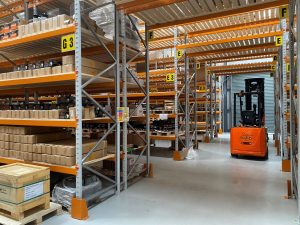
A well-designed warehouse needs to balance storage density with efficient movement.
If increased stock levels are making vehicle routes, picking areas or access points more difficult to manage, it may be time to reassess the overall layout rather than simply adding more storage.
- 4. Picking and handling are becoming less efficient
Warehouse efficiency can be affected significantly by the relationship between your storage locations, product movement and picking processes.
If employees or equipment are travelling further to locate stock, or frequently moving products to access other areas, your current layout may no longer reflect the way your operation works.
- 5. External storage has become a regular requirement
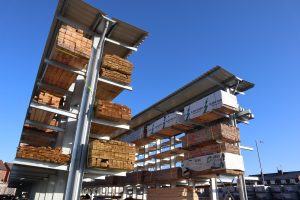
Using external storage can provide valuable additional capacity, particularly during periods of increased demand.
However, if it has become a permanent requirement, it is worth comparing the ongoing cost and operational implications with the potential of increasing capacity within your own facility.
- 6. Your business has outgrown its original warehouse configuration
Growth can change everything — your stock volumes, product range, order profiles, handling requirements and staffing levels.
A warehouse designed around an earlier stage of the business may not provide the capacity or workflow required today.

More capacity doesn’t always mean more building
Before considering a move to larger premises, there are several ways to increase storage capacity within an existing facility.
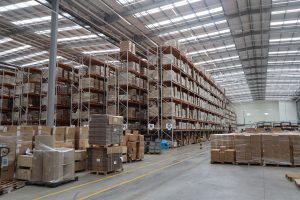
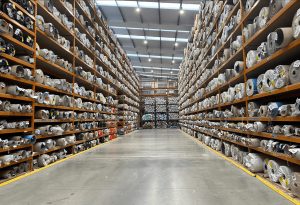
Re-racking can optimise the existing layout and potentially increase the number of available pallet positions.
Higher-density storage systems can increase storage capacity where the operational requirements and stock profile make them appropriate.
Making better use of vertical space can unlock capacity that is currently unused — particularly in buildings with significant clear height.
Mezzanine floors can create additional levels for storage, offices, picking, packing or other operational requirements without increasing the building’s footprint.
And where individual changes are no longer enough, a complete warehouse redesign can take a broader look at storage, material flow, access, handling equipment and future capacity requirements.
The right question isn’t simply “Do we need more space?”
It’s:
“Are we making the best possible use of the space we already have?”
A professional warehouse assessment can identify where capacity is being lost, where improvements can be made and which storage solution is best suited to your operation.
The earlier you review your requirements, the more options you have — and the easier it is to plan improvements without disrupting day-to-day operations.
Planning for additional warehouse capacity? Talk to the Total Interiors Direct team about re-racking, high-density storage, mezzanine solutions and complete warehouse design.