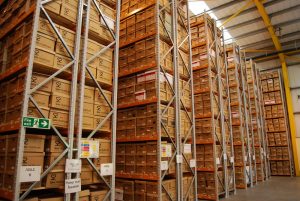

As businesses plan ahead for 2026, warehouse safety and performance should sit right at the top of the priority list. Racking systems work hard every day and often take more punishment than people realise. Minor impacts, careless loading, blocked aisles and unseen damage can all lead to serious safety risks if left unchecked.
Looking after your warehouse pallet storage racks is not just about ticking a box. It protects your staff, your stock and your operations. With regular inspections, simple damage checks and clear working practices, your industrial warehouse racks can continue to support your business safely and efficiently well into the year ahead.
Why Racking Safety Matters More Than Ever
Racking systems sit at the heart of warehouse operations. When they are working properly, they improve storage density, speed up movement and keep goods organised. When they become damaged or poorly maintained, they quickly become a risk.
Small knocks from forklifts, overloaded beams or altered layouts can weaken a structure over time. These issues often go unnoticed until a bigger problem occurs. That is why pallet racking suppliers and industry bodies consistently advise regular visual checks and formal inspections as part of everyday warehouse management.
Good racking safety is not only about avoiding accidents. It also prevents stock damage, reduces downtime and avoids costly racking repairs further down the line.
Regular Inspections Keep Problems Small
Routine inspections are one of the most effective ways to keep warehouse racking pallet systems safe. These do not need to be complicated. A simple weekly visual check by trained staff can highlight early signs of trouble such as bent uprights, missing beam clips, damaged footplates or contact marks from vehicle impact.
In addition to in house checks, a more detailed inspection carried out by a competent specialist at least once a year helps confirm the overall condition of the system. These inspections typically focus on structural integrity, load notices, floor fixings and overall layout performance.
When problems are spotted early, racking repairs are usually quick and straightforward. Leaving damage unresolved often leads to larger repair work and greater disruption.

Damage Checks That Make a Real Difference
Warehouse environments are busy places. Even careful forklift drivers occasionally clip a frame or catch a beam end. The key is making sure all staff know what damage looks like and understand the importance of reporting it.
Clear signs that should never be ignored include twisted uprights, dented beams, cracked welds, dislodged baseplates and loose floor fixings. If any of these are seen, that area of racking should be unloaded and assessed immediately.
Prompt action protects both people and product. It also prevents what starts as a minor issue from becoming a major structural risk.
Keeping Aisles Clear for Safety and Flow
Blocked aisles remain one of the most common and avoidable warehouse safety issues. When pallets, empty cages or surplus stock are left in walkways, they create trip hazards and restrict access for emergency routes, forklifts and picking teams.
Clear aisles improve safety, speed up stock movement and make inspections far easier to carry out. Warehouse racking pallet layouts should always allow enough space for safe vehicle operation and pedestrian movement. If aisles are consistently congested, it is often a sign that the storage layout itself needs reviewing.
A well-maintained aisle system supports smoother operations and reduces both damage and downtime.

Following Best Practice Without Complexity
Keeping racking safe does not require heavy procedures or complex documentation. Simple best practice makes the biggest difference. This includes displaying safe load notices clearly, ensuring staff understand weight limits and making sure racking is never altered without professional advice.
Any changes to stock type, pallet size, handling equipment or storage method should trigger a review of the racking system. What worked safely last year may no longer be suitable if operations have changed.
Trusted pallet racking suppliers are always best placed to assess whether your existing layout still meets your needs as your business evolves.
Planning Ahead Avoids Unplanned Disruption
End of year is the ideal time to review the condition of your industrial warehouse racks. January is often one of the busiest periods for warehouse operations, and the last thing any business needs is unexpected downtime caused by unsafe racking.
A planned inspection, combined with any required racking repairs, helps you enter 2026 with confidence. It also supports insurance requirements, staff safety and operational continuity.
By taking proactive steps now, you avoid reactive fixes later when pressure is already high.

Keeping Your Racking Safe with Total Interiors Direct
Total Interiors Direct support businesses across the UK with inspections, maintenance and racking repairs as well as full system upgrades.
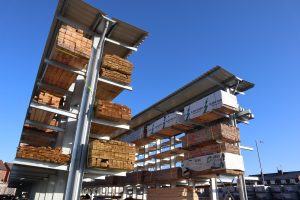
Whether you operate traditional warehouse pallet storage racks, cantilever systems or mixed storage layouts, our team can assess the condition of your racking and advise on the next steps.
If you want to ensure your racking is safe, strong and ready for 2026, speak to our team today and book a practical racking review.